Unplugged and Unbothered: How Ditching Your Screen Became the New Flex
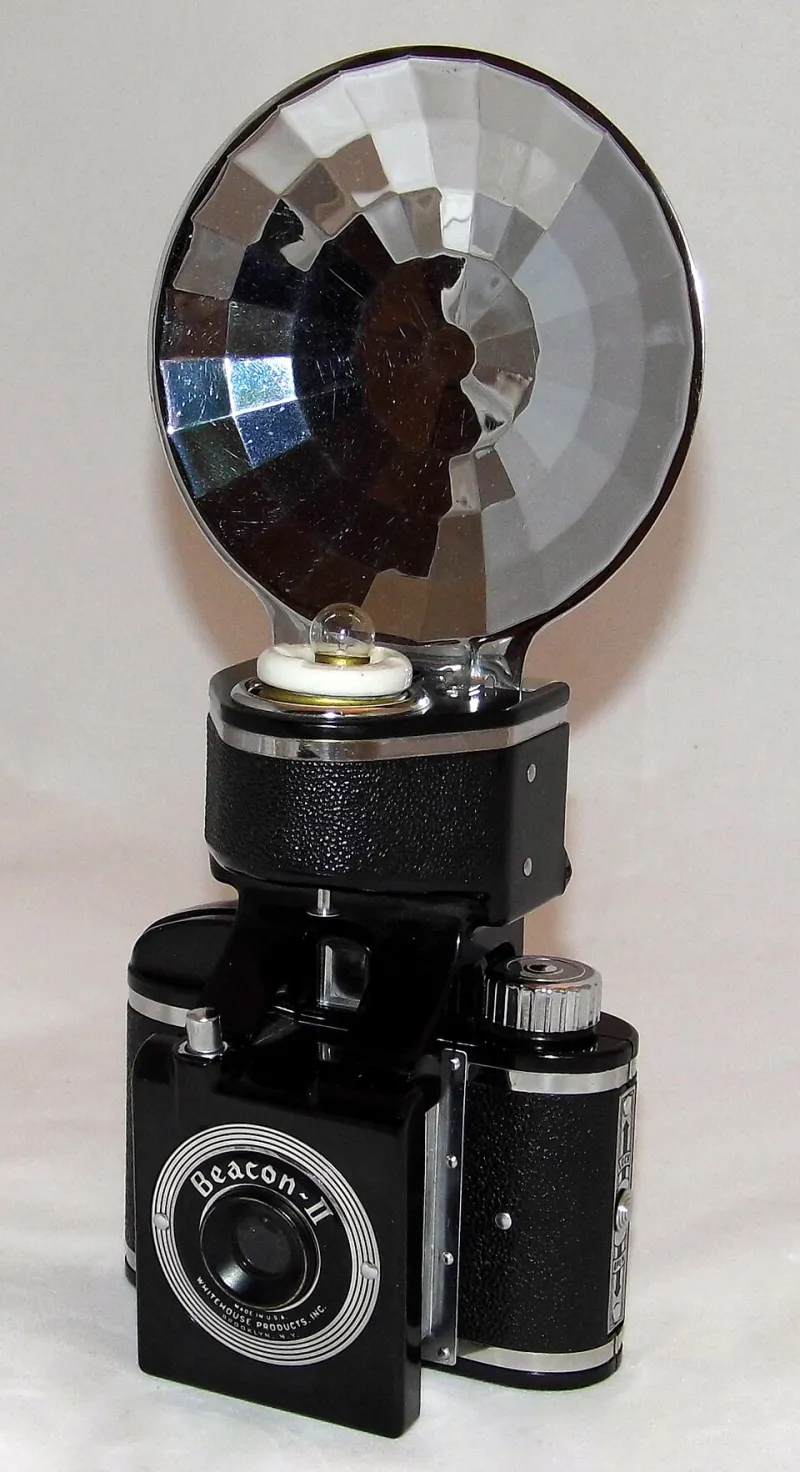
Photo: Joe Haupt from USA, CC BY-SA 2.0, via Wikimedia Commons
There's a particular kind of person at the dinner party right now. They're not checking their phone. Not because they forgot it, not because they're being polite — but because not checking it is the whole point. The phone stays face-down, or better yet, stays home. And somehow, everyone in the room notices.
Welcome to the era of analog as status symbol, where the most powerful cultural move you can make is pretending the internet doesn't exist.
The Luxury of Being Unreachable
For a long time, being constantly connected was the flex. Two phones. Rapid email responses. A grid that never went dark. Hustle culture made availability a virtue, and the smartphone became the tool through which you proved your relevance in real time.
But something shifted. Slowly at first, then all at once — the people at the very top of the cultural food chain started opting out. Tech executives sending handwritten thank-you notes on heavy cardstock. Celebrities spotted with disposable cameras at parties where everyone else was on their iPhone 16. Writers and creatives boasting about their distraction-free word processors that can't connect to Wi-Fi. The signal changed. Now, the flex isn't being reachable. It's being deliberately, expensively unreachable.
This isn't accidental minimalism. It's a calculated performance of restraint.
Film Is Not Dead — It's Just Expensive Now
Nothing illustrates this shift quite like the film photography renaissance. Shooting on 35mm or medium format has gone from nostalgic hobby to genuine cultural currency. And it's not cheap. A single roll of Kodak Portra 400 runs around $20 before you even think about developing costs, which can push a single shoot past $50 or $60. Compare that to the infinite, free storage sitting in your pocket.
Yet the market for film cameras — particularly vintage Contax, Leica, and Hasselblad bodies — has exploded. Prices on the resale market have tripled in some categories over the past five years. The scarcity, the patience required, the physical weight of a roll of film — all of it translates into a kind of intentionality that digital photography simply can't replicate on a cultural level.
When Zendaya pulls out a film camera, or when you see candid party shots posted to Instagram that are grainy, slightly overexposed, and clearly shot on film, you're not looking at a budget constraint. You're looking at a choice. And choices, when they cost more than the alternative, are what luxury has always been about.
Paper, Ink, and the Return of the Handwritten Letter
The stationery industry — yes, stationery — is having a genuine moment. Companies like Crane & Co. and smaller artisan letterpress studios are reporting surges in demand. Fountain pens that run hundreds of dollars are backordered. And there's a growing community of people who correspond almost exclusively by mail, treating the act of writing a letter as something close to sacred.
This isn't your grandmother's pen-pal club. It's a deliberate rejection of the frictionless, ephemeral nature of digital communication. A text disappears into a thread. A handwritten letter on quality paper demands physical space. It has weight. It takes time to write and time to arrive. That delay — that friction — is increasingly the point.
In a world where a DM takes three seconds and costs nothing, the person who sends you a note on letterpress card stock is making an unmistakable statement about how much your relationship is worth to them. Time is the scarcest luxury. Paper is just how you show it.
The Paradox at the Center of It All
Here's where it gets genuinely interesting: none of this is actually off the grid. The film photos get scanned and posted. The handwritten letters get photographed for Instagram stories. The analog tools are documented, shared, and consumed through the same digital infrastructure people claim to be escaping.
And that's not hypocrisy — it's the whole game. Analog living in 2025 isn't about actually disappearing. It's about performing disappearance in a way that's visible enough to matter. The cultural capital comes from the contrast, from being the person in the room who doesn't seem enslaved to the feed even as the feed watches you prove it.
This is what makes it a status symbol rather than a lifestyle. True off-grid living — no posts, no documentation, no audience — doesn't generate cultural capital. The analog flex only works when it's witnessed.
What It Actually Costs to Go Analog
Let's be real about the economics. A quality film camera, developing costs, a fountain pen setup, premium stationery, a distraction-free writing device like a Freewrite Traveler (which runs $350+), vinyl records and a decent turntable — building out a fully analog life is a significant investment. We're talking potentially thousands of dollars to replicate experiences that are technically available for free on your phone.
This is what separates the analog trend from the simple nostalgia it might appear to be. It's not that people can't afford the digital version. It's that they're paying a premium specifically to avoid it. That inversion — spending more to get less connectivity — is the defining characteristic of how luxury works in a post-scarcity information environment.
When everyone has access to infinite digital content, the rare thing becomes the physical, the slow, the intentional. Scarcity migrated from objects to attention, and now the people with the most cultural power are the ones who control where their attention goes — and, crucially, who have the resources to make that control look effortless.
The Culture Moves Slow On Purpose Now
Maybe the most radical thing about the analog revival is what it says about pace. Digital culture runs on speed — the fastest take, the hottest drop, the first to post. Analog culture runs on something closer to the opposite. Film takes time to develop. Letters take days to arrive. A vinyl record requires you to get up and flip it.
That enforced slowness is increasingly being read as sophistication. The person who doesn't need to be first, who can afford to wait, who experiences culture at a human pace rather than an algorithmic one — that person has something most of us don't. Not a better phone. Not a faster connection. Time. And the confidence to spend it differently.
In 2025, going offline isn't dropping out. It's leveling up.