Nothing to Prove: Why Looking Like Everyone Else Is the Most Radical Thing You Can Do Right Now
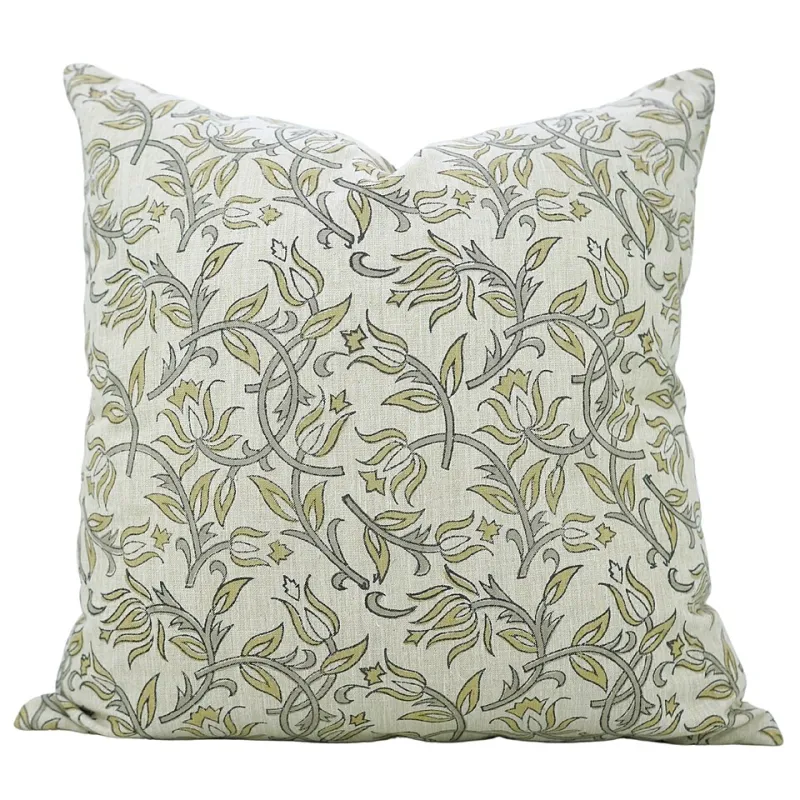
Photo: FabdivineArt, CC BY-SA 4.0, via Wikimedia Commons
Picture the most stylish person you know. Now imagine them in a white Hanes tee, straight-leg chinos in a shade best described as "oatmeal," and sneakers so generic they could have come from a gas station. No logo. No statement piece. Nothing that screams, or even whispers, a brand.
Now ask yourself: would that still be the most stylish person in the room?
If your gut says yes, you already understand what's happening in fashion right now. The most deliberate aesthetic choice of the moment is the choice to look like you didn't make one.
Beige Is Having Its Absolute Moment
Somewhere between the maximalism of the early 2010s and whatever happens next, American style quietly surrendered its color wheel. Neutrals took over. Not the crisp, intentional neutrals of Scandinavian minimalism — those still had a kind of curated precision to them — but something softer and more ambiguous. Greige. Oatmeal. That specific shade of brown that looks like the inside of a paper bag.
Walk through any urban neighborhood with a Whole Foods and a coffee shop that doesn't have a sign, and you'll see it everywhere. The palette isn't just muted — it's almost aggressively inoffensive. It communicates nothing about the wearer's personality, allegiances, or taste. And increasingly, that's the whole point.
Brands like Entireworld, Aritzia's quieter lines, and the specific corner of Uniqlo that isn't trying too hard have become the building blocks of what we might call the Blank Uniform. It's not cheap, but it looks like it could be. And that studied ambiguity is doing a lot of heavy lifting.
The Irony Engine at the Heart of Bland
Here's the thing about intentional blandness that makes it genuinely fascinating as a cultural phenomenon: it's not actually blank. It's loaded.
When a Gen Z tastemaker with 200,000 followers deliberately builds an outfit around items that look like they came from a Target clearance rack — but didn't — they're making an extremely specific statement. They're rejecting the conspicuous consumption of logomania. They're pushing back against the exhausting performance of having a Distinct Personal Brand. They're opting out of the fashion system's demand that you constantly signal your identity through what you wear.
Except they're doing all of that very, very loudly. The rejection of style is itself a style. The refusal to perform is a performance. And everyone paying attention knows it.
This is where the irony gets genuinely dizzying. The blandness isn't sincere — or at least, it's not only sincere. It's a wink. A knowing shrug. A way of saying "I understand the game well enough to refuse to play it" while playing it masterfully.
Luxury That Looks Cheap (On Purpose)
The high-fashion side of this trend is where things get really interesting — and a little absurd, in the best way. Brands like Bottega Veneta under Daniel Lee first cracked this code with quiet, logo-free leather goods that cost as much as a semester of community college. The signal wasn't the logo. The signal was the absence of one.
But the current wave pushes further. There's a growing appetite for luxury items that don't just hide their price tag — they actively look like they shouldn't have one. Intentionally cheap-looking construction. Fabrics that mimic the texture of budget basics. Silhouettes that could belong to any decade because they're resolutely committed to belonging to none.
Jil Sander has been doing this for years. Lemaire built an entire brand identity around it. And now you can see it trickling into the mass market through brands that have figured out how to sell the aesthetic of not caring about aesthetics at a price point that suggests you care very deeply.
The customer for this stuff isn't fooled. They know exactly what they're buying and why. The "cheap" look is the luxury. The blandness is the product.
What Gen Z Is Actually Saying With Their Wardrobes
To understand why this resonates so strongly with younger consumers, you have to understand what they grew up watching. Millennials performed individuality through style with a kind of earnestness that, in retrospect, was completely exhausting. Every outfit was a statement. Every purchase was an identity claim. The fast fashion era promised that you could construct and reconstruct yourself endlessly through clothes, and an entire generation tried to.
Gen Z watched that and — not unfairly — clocked it as a trap. The constant pressure to have a distinct, photogenic, immediately legible personal style isn't freedom. It's another kind of labor. Another performance demanded by the attention economy.
Choosing blandness is, in this context, a refusal. It's opting out of the identity marketplace. It's saying: my clothes don't owe you a personality. And there's something genuinely radical about that, even when — especially when — it's executed by someone who has thought very carefully about exactly which shade of nothing to wear.
The Authenticity Paradox
The uncomfortable question lurking at the center of all this is whether intentional blandness is actually authentic, or whether it's just authenticity-as-performance in a new costume.
And the honest answer is: probably both, and that's fine.
Authenticity has always been at least partially constructed. The person who dressed in maximalist vintage in 2015 was making choices just as deliberate as the person now building a wardrobe around nothing. The difference is that the bland aesthetic at least has the self-awareness to acknowledge the construction. It doesn't pretend to be effortless. It's effortlessness as a studied craft, which is more honest than most of what fashion has offered us.
There's also something worth noting about who gets to do blandness well. It requires a certain confidence — a baseline security in your own identity that means you don't need your clothes to do the announcing. That's either the most relaxed thing in the world or the most privileged, depending on how you look at it.
The Look That Says Nothing Says Everything
Fashion has always been a language. Right now, the most interesting sentence being spoken in that language is a long, considered silence.
The beige, the blank, the deliberately generic — it's a response to a culture that demands constant self-expression and constant visibility. It's a way of existing in public without submitting to the performance. And whether you read it as ironic or sincere, as radical or lazy, as the most interesting thing happening in style or the most boring, the fact that we're all talking about it means it's working.
Nothing, as it turns out, is saying quite a lot.