Being Real Is a Brand Deal: The Trap of Performing Your Own Personality
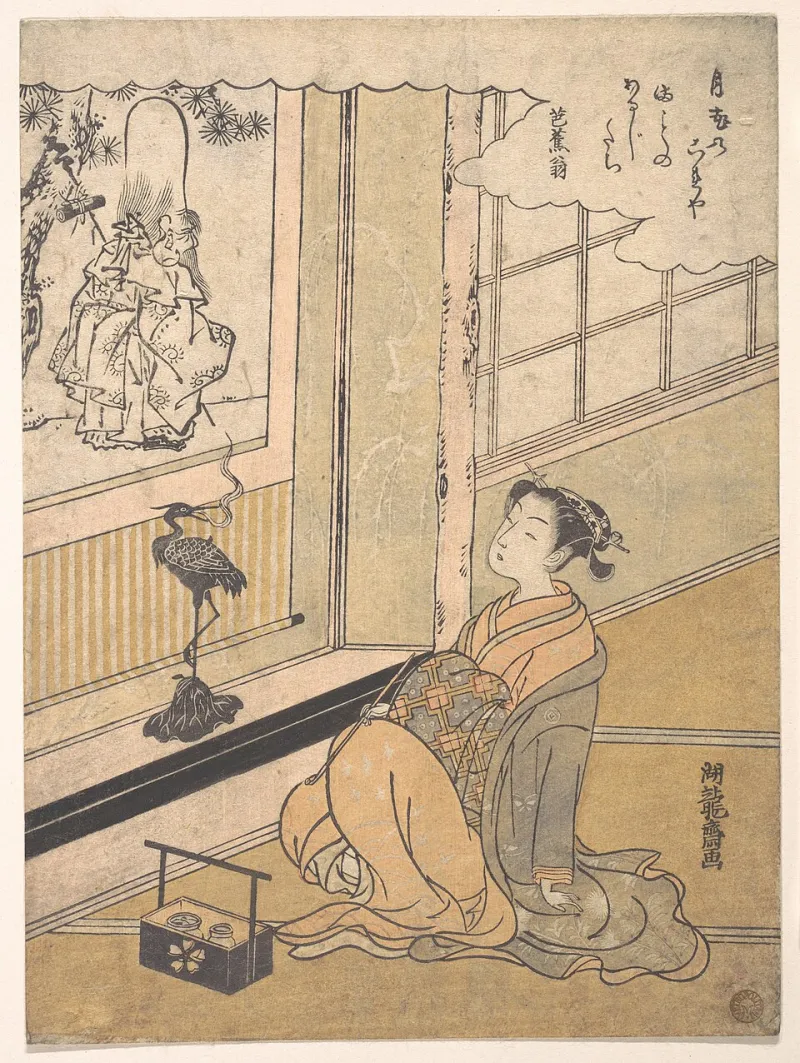
Photo: Isoda Koryūsai, CC0, via Wikimedia Commons
Somewhere between the "no makeup" selfie that took forty-five minutes to get right and the "messy house" TikTok filmed from the one clean corner of the room, authenticity stopped being a feeling and became a format. A genre, even. And like every genre, it has rules, aesthetics, and an audience you're quietly performing for — whether you admit it or not.
This is the authenticity paradox, and it's eating us alive in the most aesthetically pleasing way possible.
The 'Real' That Got Packaged and Sold
Let's back up. The push toward authenticity online wasn't random. It was a reaction — a collective exhale after years of hyper-polished Instagram feeds, aspirational lifestyles that felt more like advertisements than actual lives, and influencers who seemed to exist in a permanent golden hour. People were tired. They wanted real.
And brands noticed. Platforms noticed. Algorithms noticed.
Suddenly, raw = relatable = reach. Crying on camera got you followers. Admitting you couldn't afford rent while wearing a thrifted blazer got you a brand partnership. The messy bun became a power move. Vulnerability became currency. And just like that, "being yourself" had a monetization strategy.
The irony is almost too perfect: the demand for authenticity created an entirely new performance. One that's arguably more exhausting than the polished version it replaced, because now you have to seem like you're not trying — while absolutely, definitely trying.
Gen Z Knows the Game and Plays It Anyway
Here's where it gets interesting. Gen Z — the generation everyone keeps crediting with "killing" performative culture — is probably the most self-aware demographic about this trap, and yet they're still in it. Maybe because of that awareness.
There's a whole layer of irony-laced content that essentially says: I know this is a performance, here's my performance of knowing it's a performance. The meta-authenticity spiral. You see it in the "chaotic" posting style that's actually very calculated, in the deliberately ugly photo dumps that still somehow hit a certain vibe, in the "I literally don't care" caption that took three drafts.
And honestly? That's not a criticism. That's just... what living online looks like now. The question isn't whether you're performing — you are — it's whether you're doing it on your own terms or someone else's.
Dr. Brooke Erin Duffy, a communications researcher at Cornell who studies creator culture, has pointed out that the labor of "being yourself" online is often invisible and deeply gendered. The emotional work of crafting a persona that feels spontaneous is real work. It's just not the kind that gets a W-2.
The Curated Confessional Industrial Complex
Nothing captures the paradox better than the confessional post. You know the one. The long caption, the slightly unflattering photo chosen specifically because it reads as "brave," the admission of something personal timed perfectly to a cultural moment. It's sincere. It might even be genuinely sincere. But it's also strategic, and everyone kind of knows it.
This isn't about calling people fake. Most of us sharing personal stuff online aren't being deliberately manipulative. But the platforms we use were built to reward certain kinds of disclosure, certain kinds of vulnerability, certain kinds of "real." So we learn, consciously or not, what realness the algorithm likes. And then we produce more of that.
The result is a feedback loop where our "authentic" selves get slowly shaped by what performs well. Your true personality, filtered through engagement metrics, optimized for retention. Congratulations — your soul has been A/B tested.
So Is Actual Authenticity Just... Dead?
Not exactly. But it's probably not where you're looking for it.
True authenticity — the kind that doesn't care if it's watched — tends to happen in the gaps. In the group chat. In the conversation that doesn't get screenshot. In the hobby you never post about. In the opinion you hold back because you know it won't land right. The offline self, the one that exists without a thumbnail, might be the last truly unperformed version of any of us.
Some people are starting to sense this. The trend toward digital minimalism, toward keeping certain things private not out of shame but out of protection, toward refusing to narrate your own life in real time — these feel like early signals that the authenticity aesthetic has peaked and people are quietly stepping back from it.
There's also a growing appetite for communities and spaces that don't require a personal brand at all. Anonymous forums, small Discord servers, group chats with no screenshots allowed. Places where you can just exist without it mattering how that existence reads to a stranger.
What Comes After Real?
If the authentic self is already a construction, maybe the move isn't to perform it better — it's to stop treating the performance as the point. The people who seem most grounded online right now aren't the ones with the most vulnerable captions or the most "honest" content. They're the ones who seem like they have a whole life happening that the camera isn't invited to.
That absence is its own kind of statement. Restraint as authenticity. The most real thing you can do might be the thing you don't post.
For Gen Z navigating a world where their digital footprint started before they could consent to it, this is both a philosophical question and a practical one. How do you build a sense of self when self-presentation has been gamified since middle school? How do you know what you actually like versus what you've been rewarded for liking?
There are no clean answers. But the fact that the conversation is happening — that people are calling out the authenticity performance while still performing it — suggests something is shifting. We're getting more comfortable with the contradiction. And maybe that's its own kind of honest.
Or maybe that's just what we tell ourselves. Either way, it's content.