From Shitpost to Subculture: The Memes That Became a Whole Lifestyle
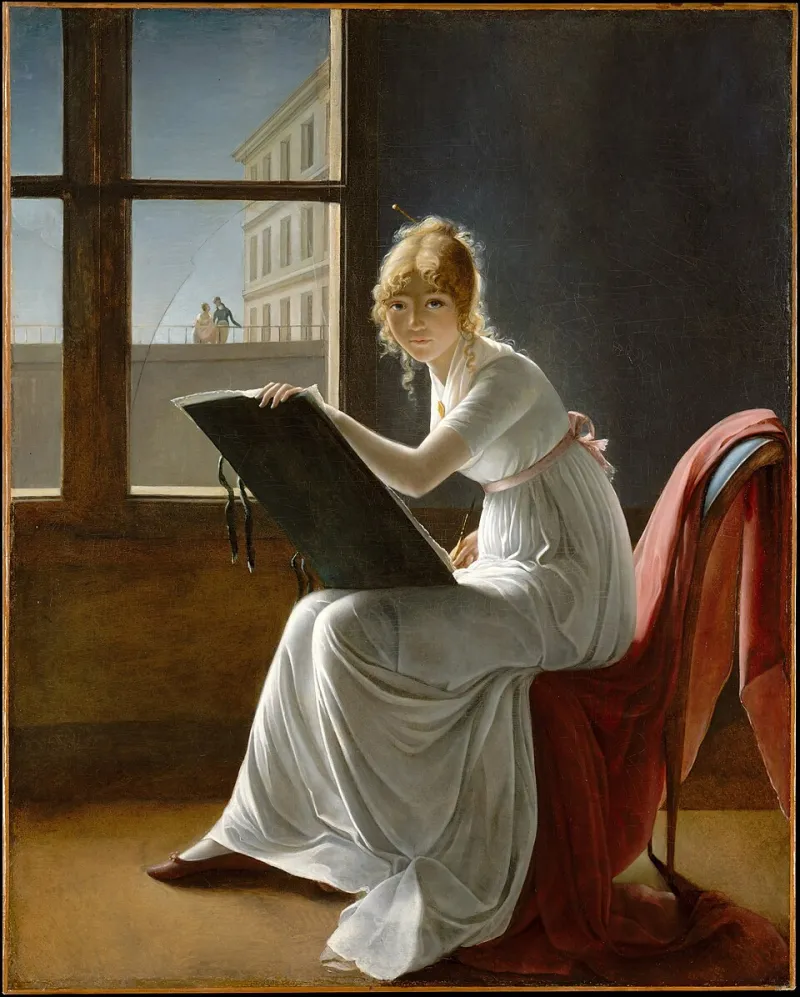
Photo: Unknown authorUnknown author, Public domain, via Wikimedia Commons
Picture this: it's 2019, and somewhere on a corner of Reddit that most people have never heard of, a few thousand users are sharing increasingly unhinged images of frogs in medieval settings, captioned with pseudo-philosophical nonsense. It's absurd. It's niche. It means absolutely nothing.
Fast forward to now. Those same frogs are on enamel pins. They're on tote bags sold at indie markets in Brooklyn and Portland. There's a Discord server with 40,000 members. Someone just threw a meetup in Chicago with a dress code described as "goblincore-adjacent." A small clothing brand out of LA did a capsule collection inspired by the whole thing and sold out in six hours.
This is not an isolated incident. This is a pattern.
The Meme-to-Movement Pipeline
Internet culture has always had its own internal logic, but something meaningfully different is happening right now in the relationship between online humor and real-world identity. The old model — meme gets popular, gets commodified by a major brand, dies — is being disrupted by communities that are deliberately insular, deeply ironic, and allergic to mainstream co-optation.
These aren't just fandoms. They're not just niche hobbies. They are fully formed subcultures with their own visual language, value systems, and increasingly, physical presence. And they're growing out of the most unexpected seeds: absurdist image macros, surreal Twitter threads, hyper-specific Tumblr aesthetics that were supposed to be jokes.
The pipeline works something like this. A joke format emerges in a small online community — usually something that requires context to find funny, which is a feature, not a bug. The in-group nature of the humor creates bonding. Shared references become shorthand for shared identity. The aesthetic of the joke (the colors, the fonts, the vibe) starts influencing how people dress and decorate. Someone makes merch. The merch sells. Real-world gatherings get organized. A subculture has been born.
The whole process can take eighteen months or five years. But it's happening constantly, in parallel, across dozens of micro-communities simultaneously.
Case Study: The Cottagecore-to-Closet Conversion
Cottagecore is one of the cleaner examples because it's far enough along to examine with some perspective. What started as an aesthetic tag on Tumblr — all linen dresses, bread-baking, and romanticized rural domesticity — was, in its earliest form, largely ironic. It was a joke about escaping capitalism by becoming a fictional Victorian farm woman.
Then something happened. The irony didn't disappear, but it got layered with genuine longing. People who started reblogging mushroom photos as a bit found themselves actually buying linen. Actually baking sourdough. Actually caring about what wildflowers grew in their zip code. The joke became a lifestyle became a subculture became a multi-million dollar market that brands like Reformation and Free People are still trying to fully decode.
What traditional marketing missed — and continues to miss — is that the irony was never the enemy of authenticity. For this generation, irony is the entry point to authenticity. You start with the joke because it's safer than sincerity. And then, if the community is good and the values resonate, you stay because it's real.
The Fashion Dimension
Nothing signals subculture membership more efficiently than clothing, and the meme-born communities understand this instinctively. The fashion that emerges from these spaces is almost never designed by anyone with a fashion background. It's crowd-sourced, chaotic, and genuinely difficult to replicate at scale — which is exactly why it works.
Take the broader "weird internet" aesthetic that's been influencing thrift culture for the past few years. Ironic graphic tees. Clashing patterns. References so obscure they function as a secret handshake. The aesthetic signals: I am chronically online in a specific way, and if you get the reference, you're my people.
Small independent brands — many of them started by community members rather than entrepreneurs — have become the primary clothiers of these subcultures. Brands like Market, Carne Bollente, or the dozens of Depop-native labels that have built loyal followings in the five figures before a single mainstream outlet noticed them. Their drops are announced in Discord servers. Their sizing is genuinely inclusive because the community demanded it. Their collaborations are with other micro-brands, not conglomerates.
This is not an accident. It's a deliberate rejection of the traditional brand-to-consumer relationship, and it's working.
IRL Is the New Online
The most surprising development in all of this is how aggressively these communities are seeking physical space. In a moment when everyone keeps declaring that third places are dying — that bowling alleys and community centers and local bars are disappearing — meme-born subcultures are creating their own.
Meetups organized through group chats. Zine fairs that started as a joke and drew 800 people. Pop-up shops that sold out and then got a permanent location. A bar in Philadelphia that hosts a monthly "extremely online" trivia night that's become a genuine neighborhood institution.
The common thread is that these spaces feel earned. You had to be in the right server at the right time. You had to get the references. The exclusivity isn't gatekeeping in a mean-spirited sense — it's the natural result of a community that formed around shared context rather than shared demographics.
For a generation that was told the internet was replacing real-world connection, these communities are doing something quietly radical: using the internet as a sorting mechanism to find their people, and then insisting on meeting them in person.
Why Brands Keep Getting It Wrong
Every few months, a major brand attempts to tap into one of these subcultures and gets absolutely roasted for it. The formula is predictable: brand notices the aesthetic, hires a consultant, produces a campaign that gets the visual surface right while missing every value underneath it, posts it, gets ratio'd, quietly deletes it.
The failure is always the same. These communities formed specifically in opposition to the kind of flattening and commodification that mainstream brands represent. They can smell inauthenticity from three Discord servers away. The moment something feels like marketing, it becomes the new thing to mock — and that meme will spread faster than any paid campaign.
The brands that have succeeded in this space did so by being genuinely part of the community before they were a brand. By hiring from within. By letting the community dictate the terms rather than trying to dictate the market.
It's a slower, messier process. But then, so is growing a real subculture from a shitpost.
The Bigger Picture
What all of this points to is something important about how identity works for younger generations. The old markers — geography, religion, class, ethnicity — haven't disappeared, but they've been joined by something new: shared ironic sensibility as a foundation for genuine community.
The meme was never just a joke. It was an invitation. A test. A way of saying: do you see the world the way I see it? And when enough people answer yes, you don't just have an inside joke anymore.
You have a whole world.